Wilma is alive! (and other Covid ruminations)

I stopped counting the days, or weeks during this wild time.

Instead, I started really plugging into the stuff that makes me feel whole; and for the most part, that comes from my childhood. So forgive me for the constant farm stories, or shenanigans about the past, but (I think) there’s some funny stuff in there that resurfaces in my memory in the most random of moments.

It’s been just over a year since we moved to Sacramento, and we live in a 3-story town house with a 4th floor rooftop. I got a wild hair one night that we should start a roof top compost, and it seemed really easy. When I was a kid we had a plastic milk jug cut off at the top and we filled it with “sheep slop” that we’d toss into the pasture and anything else that was compostable, but the stuff sheep wouldn’t eat, we’d toss into this fenced off area at the edge of the pasture. Everything always broke down nicely and we had divine dirt to use on the garden each Spring. I have no idea why I thought I could re-create this in a 2-foot plastic bin in the middle of the city, but, as with most things, I’m full of hope and expectation.

So I took an old plastic bin from moving, poked holes in the lid, lined the bottom with newspaper and proper dirt, and then started filling it with eggshells, clementine peels, lettuce leaves, etc. I named her Wilma. And I took great care to make sure I fed her every night, added a little water, and told her a story or two about my day.

Months passed….nothing. The egg shells were still in full halves, the clementines were withered, but not breaking down, and it smelled to high heaven and was full of disgusting moving things that I’m quite sure weren’t actually good for the dirt or the flowers I wanted to fertilize.

Meanwhile, my husband Nicholas is kind of a city slicker, and thought this whole idea was ridiculous, but after a few months, I heard him reference my compost by her proper name, and my zest was renewed.

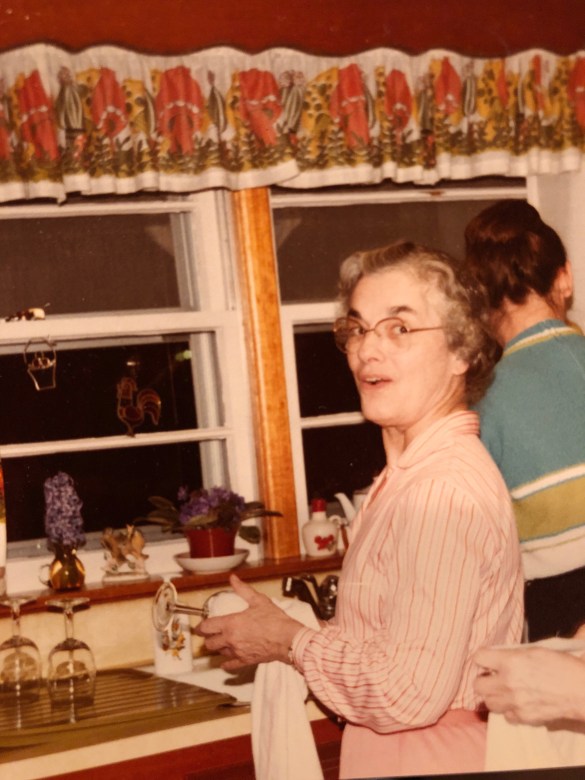
My compost’s namesake is not out of disrespect, but an ode to one of the sassiest women I’ll likely ever know. My great Aunt Wilma was the most independent woman I ever knew in the AC church (Apostolic Christian) and if you knew or met her, you were lucky. In a time when independence for women wasn’t the norm, she marched to her own drum, was full of saucy opinions, and while I’m quite sure she she was raised to be silent and bite her tongue, she certainly did not.  She was always dressed to the nines with a beautiful suit and matching brooch, and while single, hometown gossip said she had multiple proposals that she’d turned down. I don’t think I knew anyone else who never married and was a career woman in the world I grew up in, but she worked for Caterpillar for 70-ish years, and had her own apartment in Peoria before moving to the duplexes in Eureka, which is the only place I ever knew and visited.
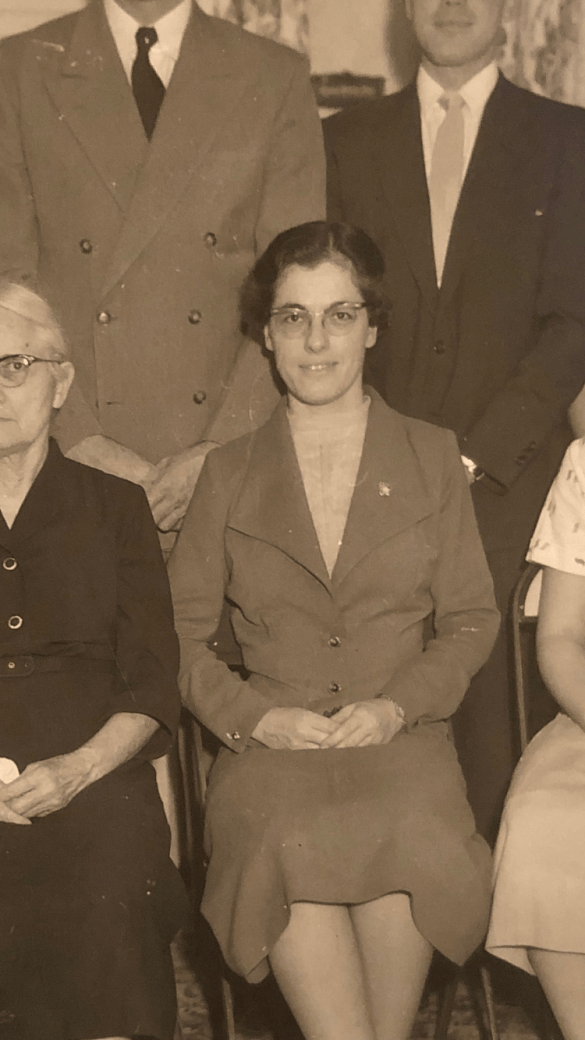
She lived to be 104 (I think? I’ll have my mom edit if that’s wrong) but I remember she was 100 and still passed her driving test and was rolling around town like she was a teen. No one could tell her what to do, even when it came to re-using a napkin with someone’s gum in it. She had this wooden napkin holder on the table with used napkins from folks all over the country; while she was all fancy with her rolled hair and matching suit, she was busting out recycled items every chance she got.  You never knew if you were going to get a napkin with gum, snot, crumbs, or just mild wrinkles that she had freshly flattened. She saved everything. And recycled everything. Most folks in my world saved things in a similar way, but also had standards about used napkins. Not so much Aunt Wilma.
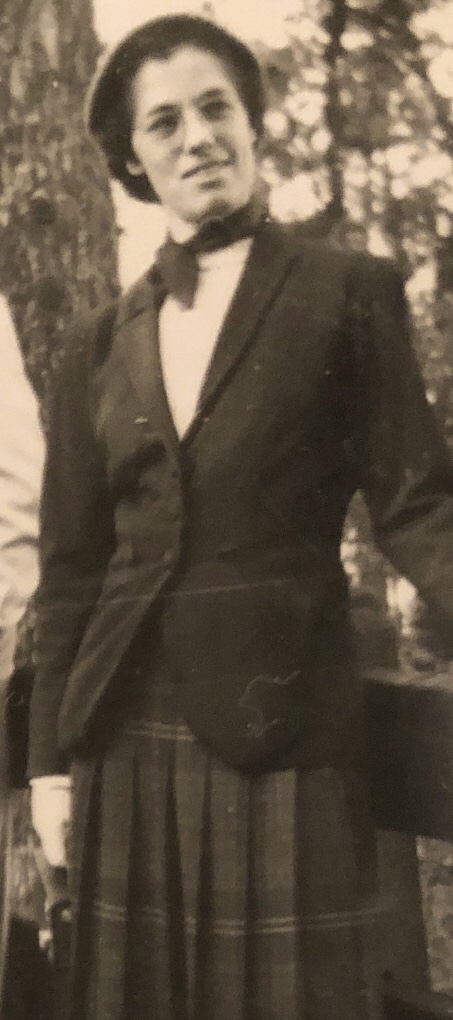
So you get the name—what better praise for a strong, wild woman in my life than to name the compost after her? In this way, she’ll always be alive to me.

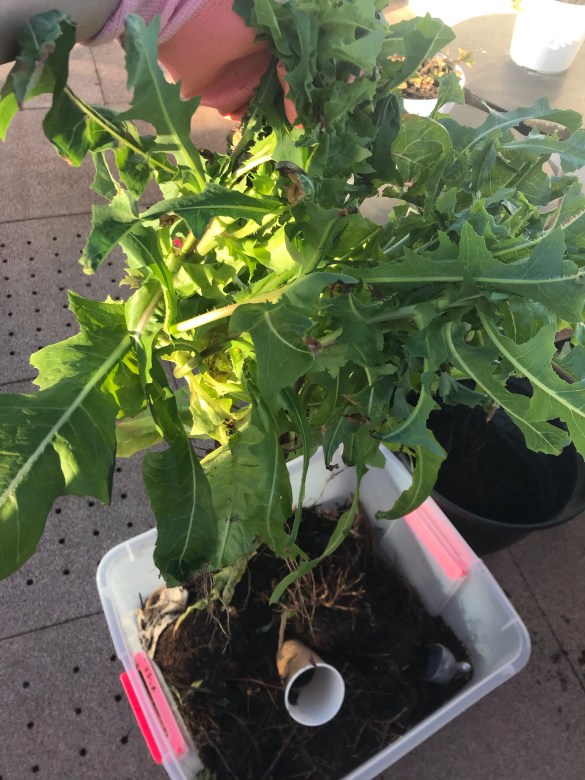
And ALIVE she is! During Covid-19, I’ve spent a good amount of time on the roof, and one night I realized that Wilma’s pink lid had popped open, which is odd, because the lid has those snap down handles that are super tight. But this strong-willed woman busted those handles wide open and there was a full-on head of lettuce growing in the middle of the compost. I was in awe and picked a leaf, smelled it, took a bite, and then looked down to see the bugs and eggshells still in the dirt and decided that wasn’t a great idea for my gut health, but how rad is that to have a head of lettuce from Wilma??
While my sweet husband cringes at the stuff I save, I get it honest. And I’ve reused almost all of my sour cream containers, pickle jars, and cereal boxes for packages during this unconventional time to send out sanitizers and home goods into the world.

So here’s just saying, when I kick the bucket, I’d be honored if someone names their compost after me. And as for Wilma, I’m glad to still have a piece of her in my life–all strength and sass, busting a plastic lid open like that to see the world and get some fresh air.
Tomato Talk, Honey-Bees, and Other Farm Goodness

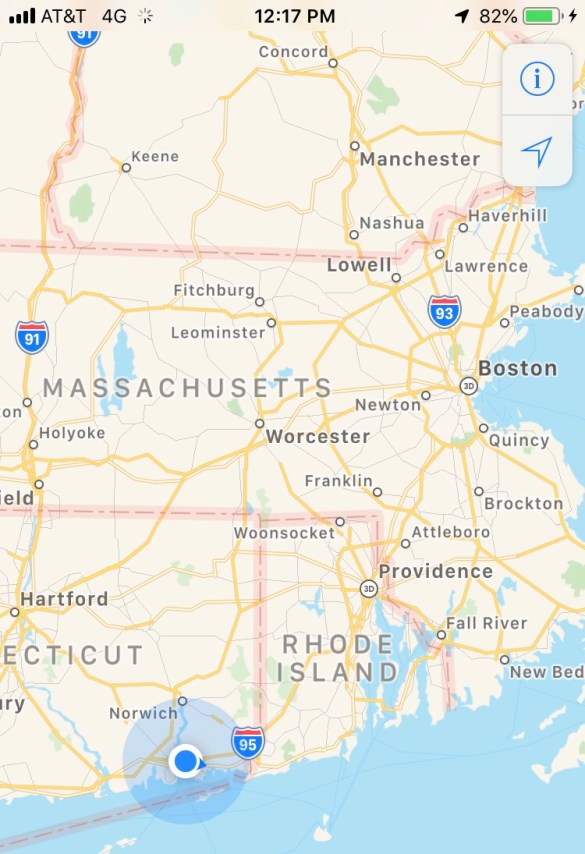
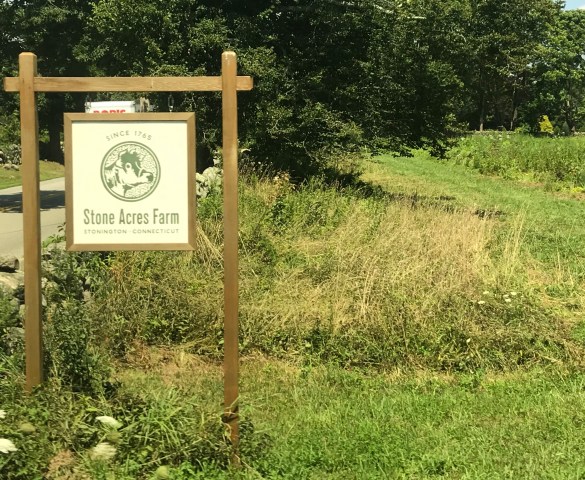
Yesterday I got to run around an East Coast farm all afternoon—I was in Connecticut for a work summit, and the afternoon was dedicated to an excursion of our choice.  Ironically, someone I’d never met recommended via email that I check out this farm adventure, and I’m so glad I took her advice.

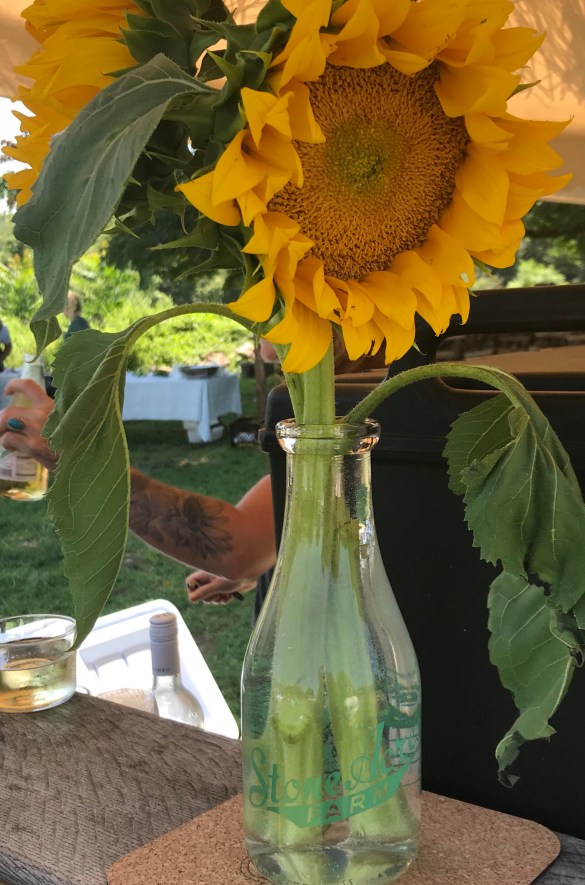
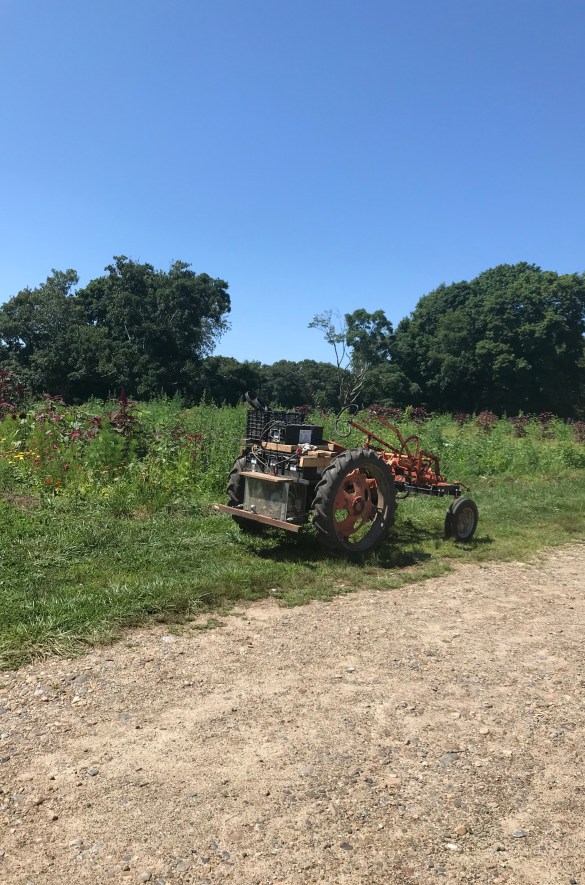
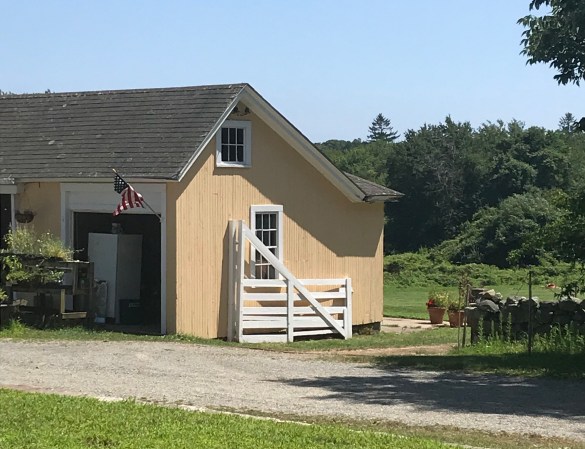
Stone Acre Farm in Stonington, CT is bordered by the Atlantic, and while it was 86 degrees, the town pulls an awesome ocean breeze every few seconds. About 40 of us stepped off the bus and onto a gravel lane that led to an open lawn area for lunch.  A local chef mixed up a variety of greens (and even some “weeds”) in a perfect summer salad, grilled jalapeno-Parmesan corn on the cob, and topped our pulled pork tacos with pickled red onion and cojita cheese. We sat in the sun on picnic tables, sunflowers in milk jars as our center pieces, and sipped local brews and ciders between bites.

It was divine. The food, the scenery, the company. I found myself tearing up a few times (and again now as I’m writing this) in the name of both nostalgia for my childhood and gratitude for the life I have as an adult that is so rich with adventure and opportunity.

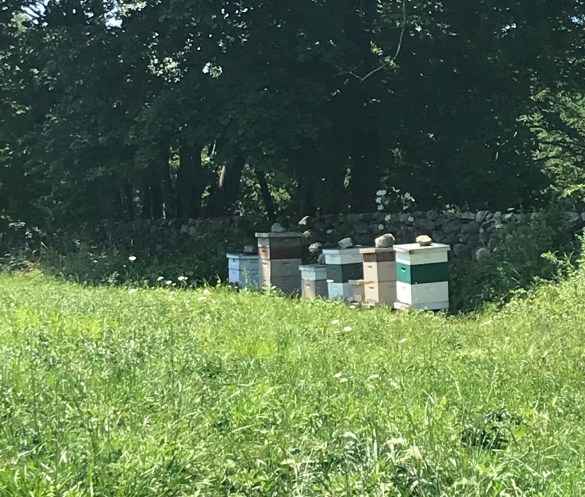
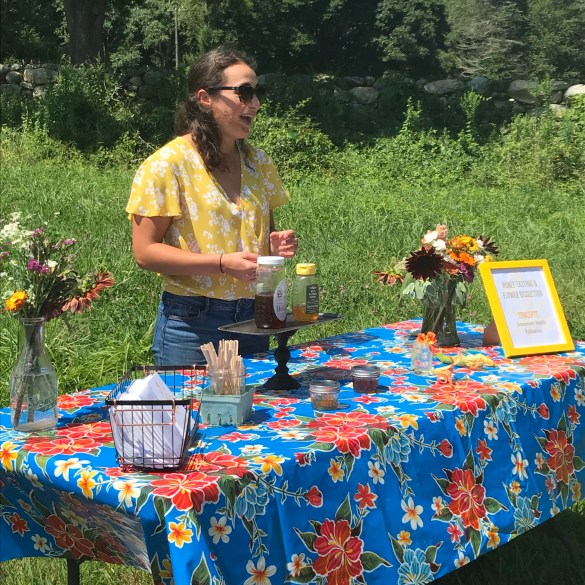
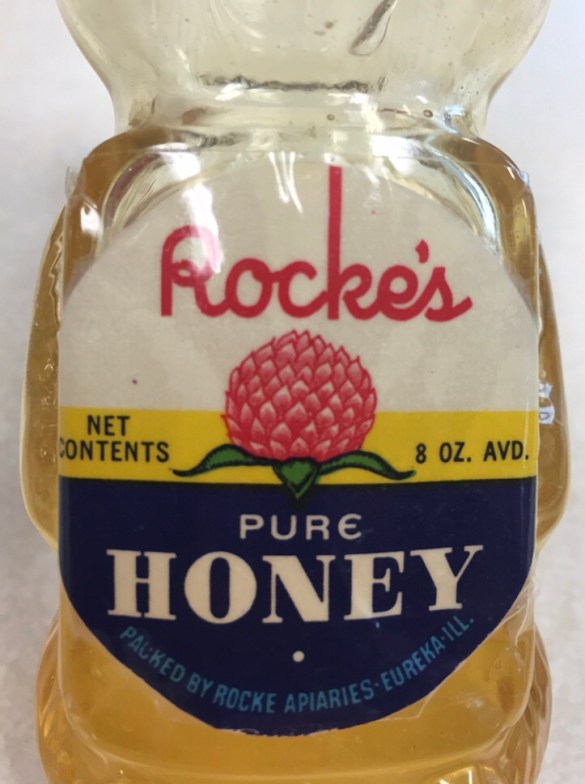
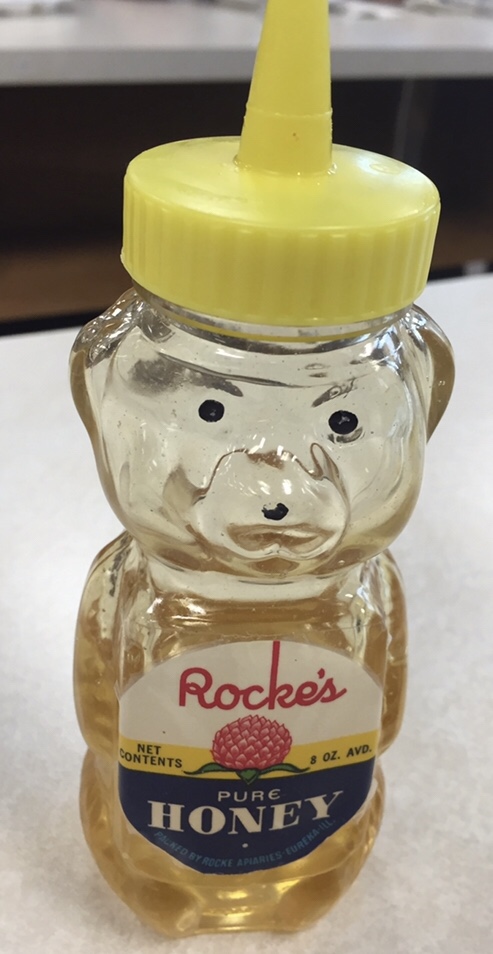
After lunch, our farm education began in the form of a tour and strategically placed “stations” around the property.  We stood 10 feet from the honeybee swarms and hives while we learned about the importance of pollination, the purpose of the Queen bee and her drones (now there’s some girl power), and then got to taste this season’s harvest in comparison with another local honey. My mind flooded with memories of Rocke’s Honey (my paternal grandfather was a beekeeper) and I loved the gentle reminder of nature’s beautiful intricacies and the vivid memories of my Grandfather telling me to “put some honey on it” whether that was my sore throat, an open cut, blisters, or a broken heart.

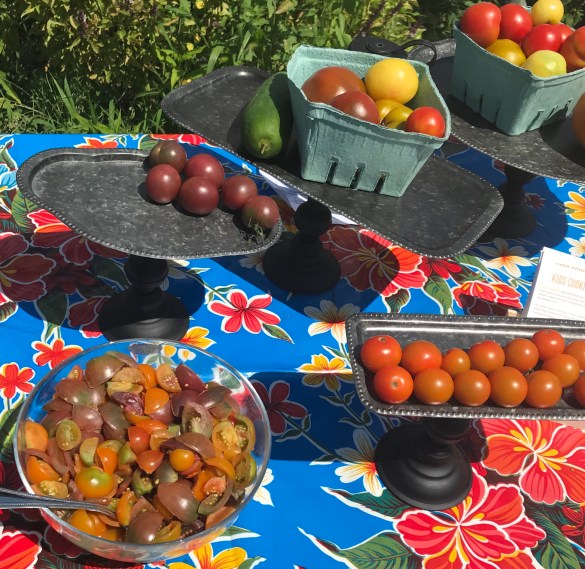
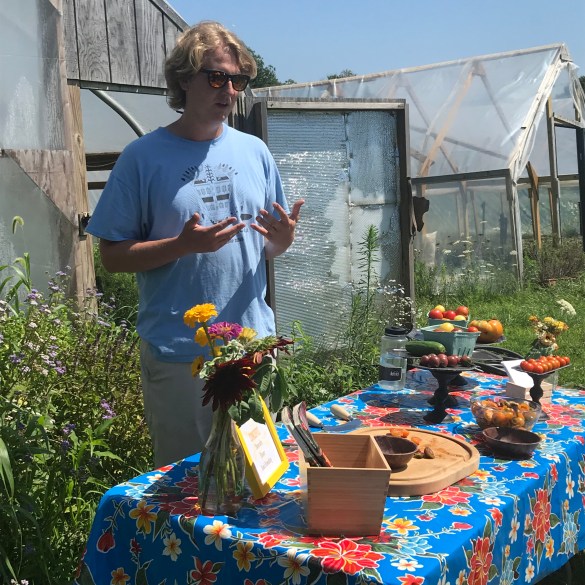
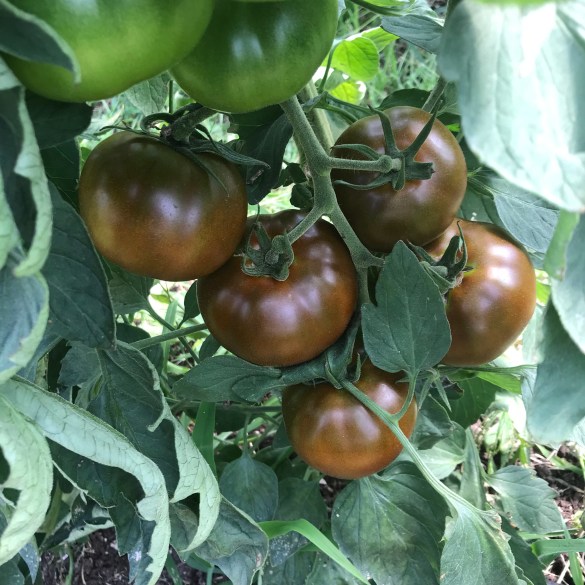
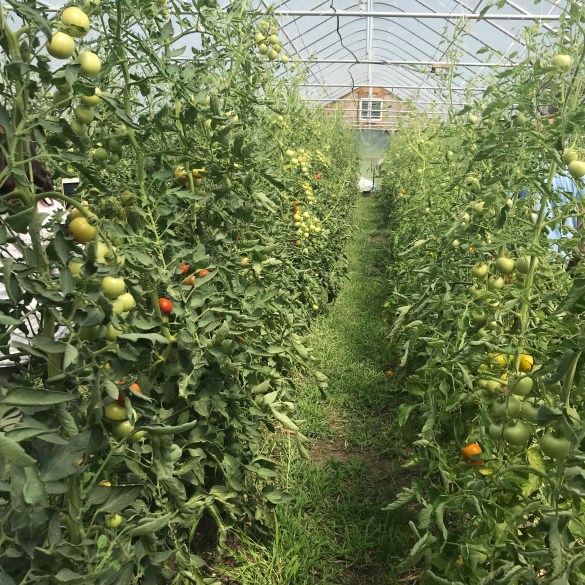
Next stop was “tomato training” and I was in hog heaven. I had a custom tote-bag made last year with my favorite things printed on the front, and garden tomatoes made my top 3 short list. We tasted juicy heirlooms and dark yellow Sun-golds, and then traipsed through the dirt of the greenhouse to learn about pruning and plant “training.”  (Who knew you could train tomatoes to not only resemble a vine, but produce clusters of 15+ tomatoes instead of the usual 1-2?) I found myself sharing stories of growing tomatoes and sweet corn in central Illinois, and how proper protein is super overrated when you have a plate heaped with thick slices of salted garden tomatoes and “peaches and cream” corn on the cob from Uncle Kent’s field. As we walked to our last station, I was already scheming about adding tomatoes between my yellow roses on our rooftop patio in Sacramento…I just need to get my hands on some heirloom seeds and good dirt.

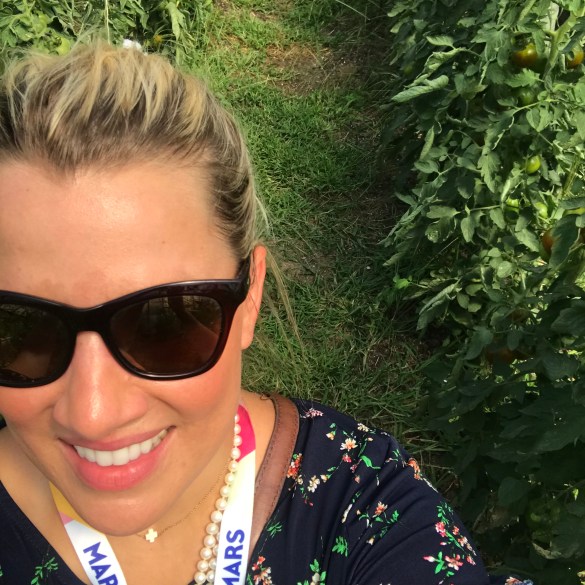
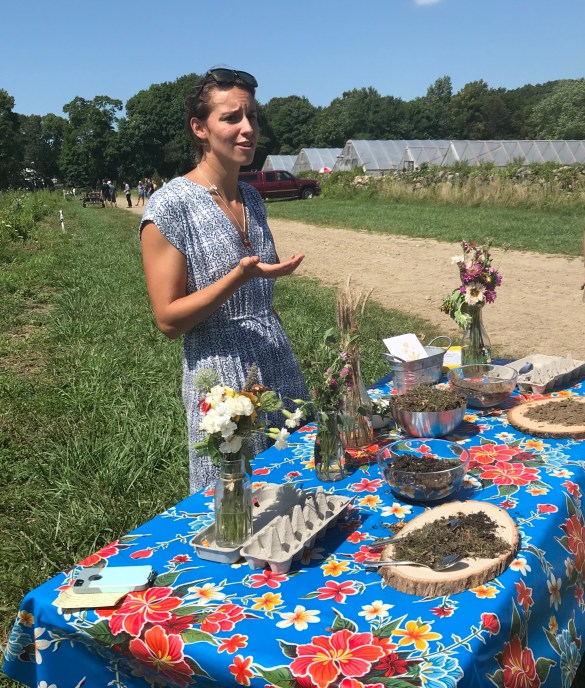
Speaking of dirt—last stop—composting.  I was in a navy dress and pearls (I’m fresh out of overalls, and somehow thought this was appropriate for a hot farm tour.)  Anyway, poor clothing judgement didn’t keep me from getting really excited about playing in the dirt. I don’t think I made any friends at that stop, however, as the rest of the group backed up a bit when our “teacher” invited us to get messy.  I played with a pile of regular dirt, partially composted-dirt, and super rich composted-dirt. Again, I was thinking through the logistics of a compost pile in the corner of our rooftop back home and chided myself for living the last 20 years without any composting. (Hopefully my husband doesn’t read this until my tomatoes are planted, and compost has begun so he can’t talk me out of being a farm kid in the middle of the city.)

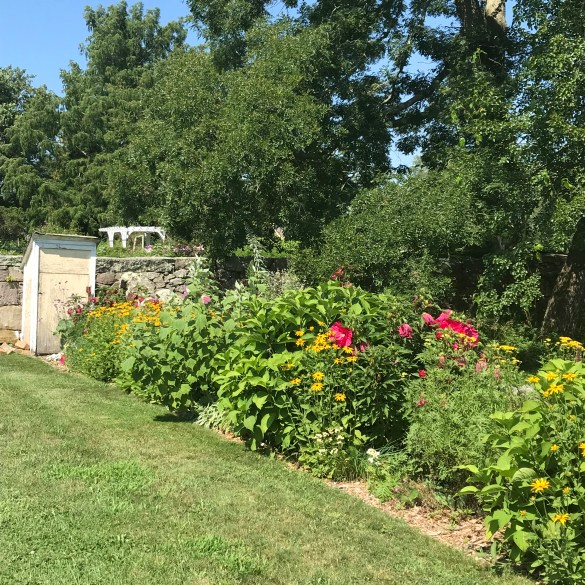
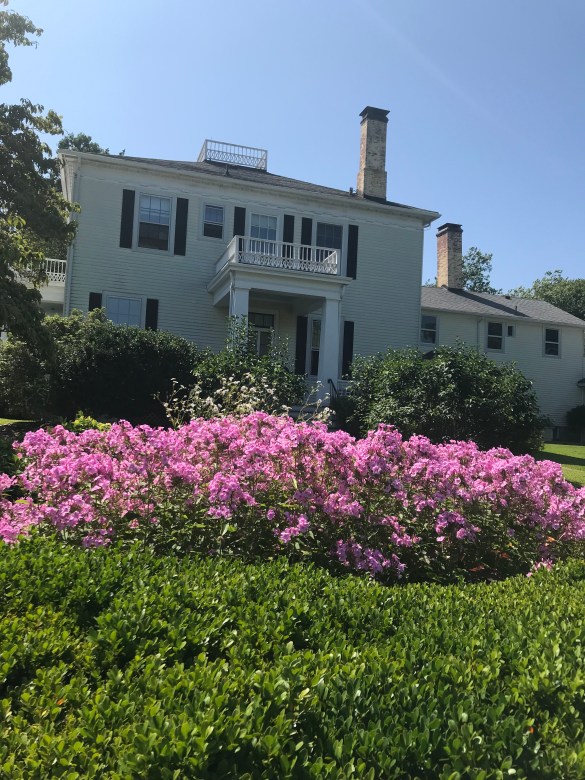
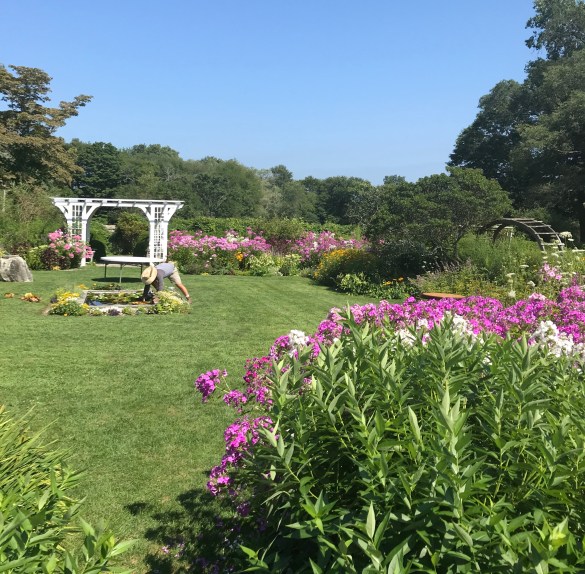
After our stations, we had time to roam aimlessly about the property—a field of Queen Ann’s Lace bordered the back portion of the property with elaborate flower gardens next to the homestead. The “Yellow Farmhouse” has since been converted into a non-profit, educational space for all things regarding nature, farming, and cooking.

Pretty awesome. I was geeking out the entire afternoon and my heart was ready to burst by the time we boarded the bus to head back to the hotel.

**************

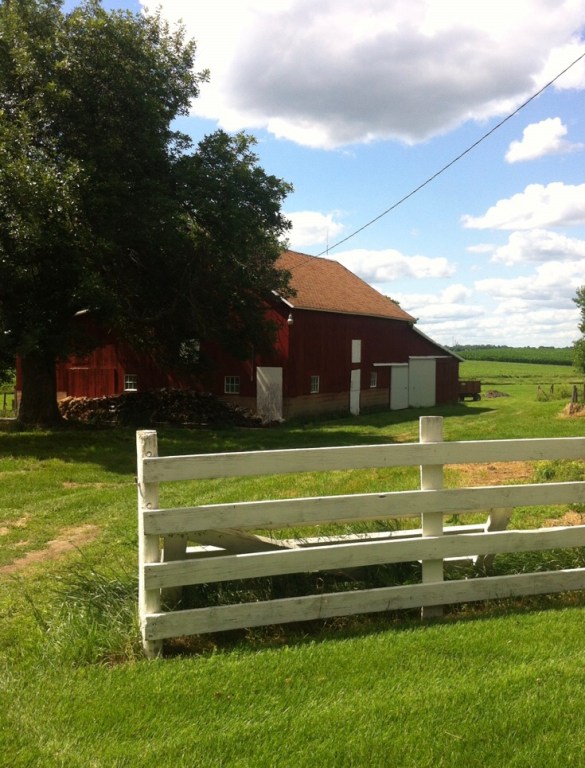
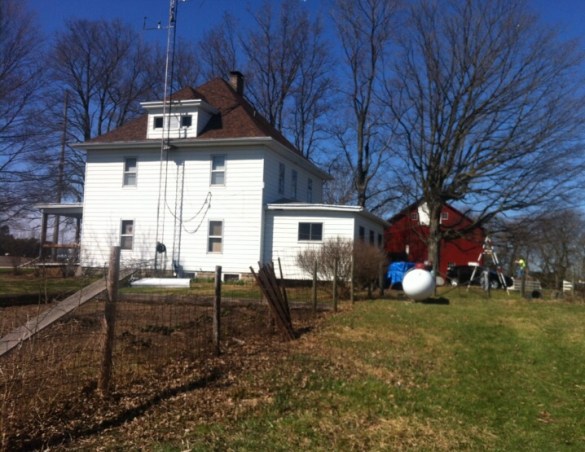
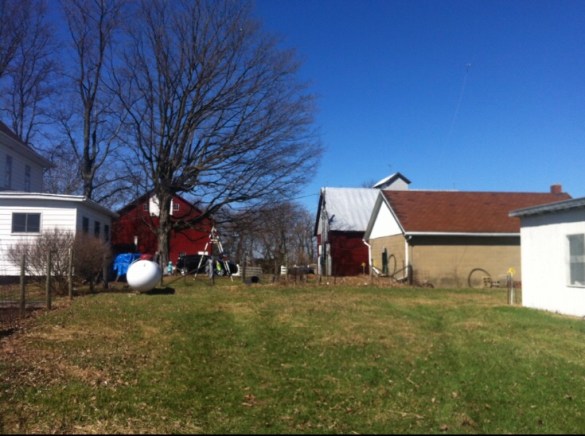
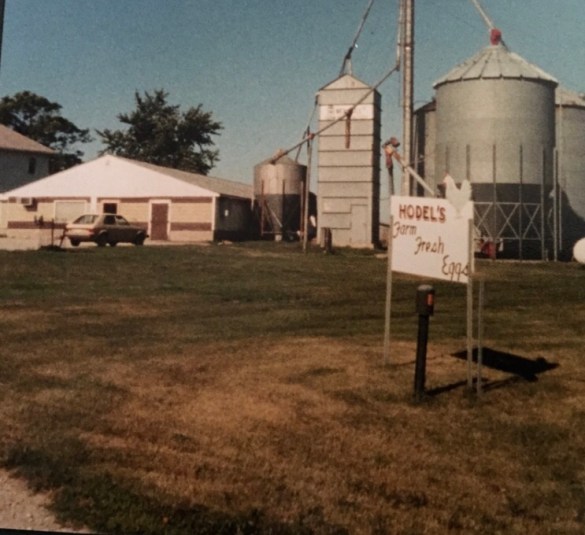
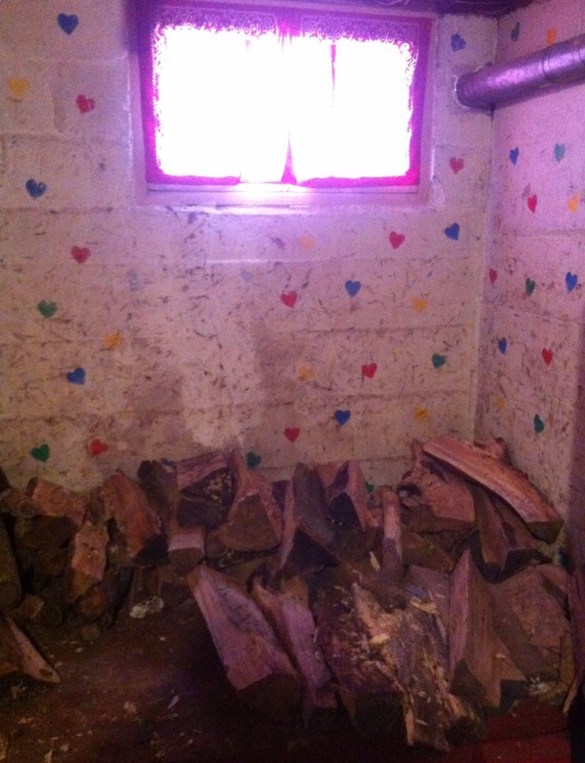
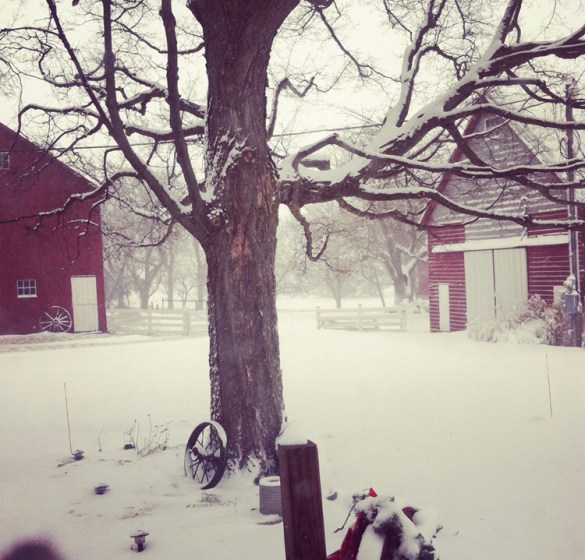
My family’s farm (in Metamora, IL) will always be my favorite place, as it’s a collection of my best childhood memories that have gently shaped me into the adult I’ve become.  I didn’t appreciate it too much as a kid, as my idea of a good time wasn’t gathering eggs through chicken poop, walking beans in the summer, or stacking split wood in the cellar.  But a day like yesterday reminds me of the goodness that I knew on the farm because it’s where I learned almost everything that matters to me now.

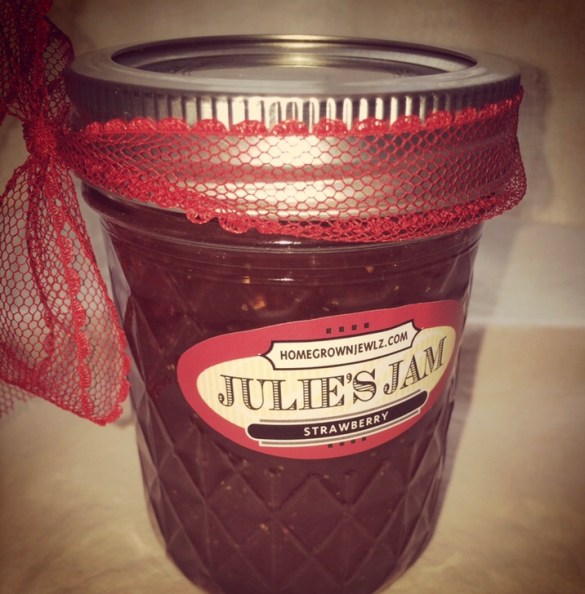
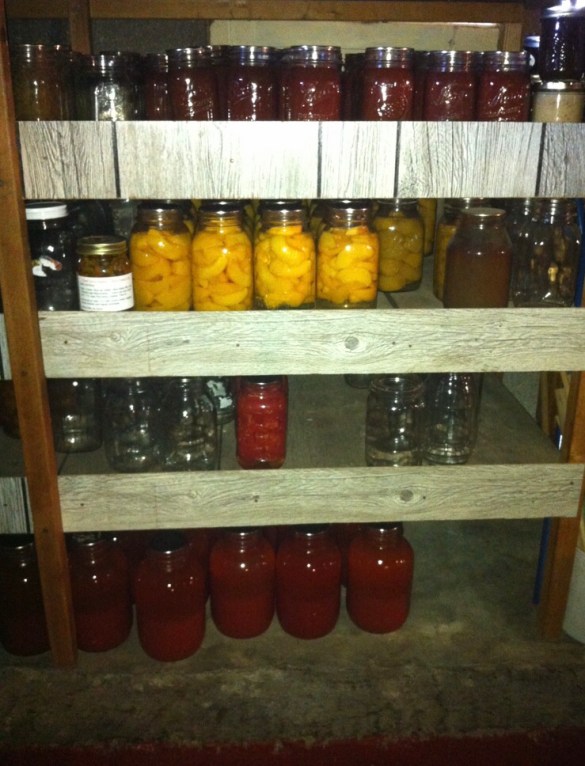
It’s where I learned about hard work, the power of Faith, the strength of family, how to properly compost, and how to best plant beans in straight lines.  It’s where I learned about broken noses, broken hearts, and broken fence.  I learned how to make jam, strip wallpaper, run a saw, preserve beef and butcher chickens.

It’s where I learned to drive…a 3-wheeler, a tractor, and a 5-speed stick shift on the back gravel road. (What I really learned, was that my dad had/has the patience of a saint, and that his attention to detail and requirement that I listen to all things about proper engine functioning was going to teach me patience, too, as I had to take it all in before I could even start the engine.)

It’s also where I learned to paint, mow in straight lines, play football, recycle before it was easy, and build a mean snow fort.

I credit almost all of my imagination and sometimes excessive creative thought to having a childhood void of pop culture. I learned to play, imagine, create, read, and write, in lieu of TV or radio entertainment.

I know general education, college, higher degrees, and ongoing learning are super important, but I’ll also argue that a proper farm education trumps everything else.

So thanks, mom and dad, for the farm degree and thank you “Yellow Farmhouse,” for the refresher and for carrying on a farm education through each lesson you provide the folks who visit your property.  Maybe you could take a page from Robert Fulghum and create a collection of vignettes: “Everything I need to know about life I learned from the farm.”

I’d buy a copy.